 By Akeem Alex
For decades, the fashion industry operated under a narrow definition of the human form, prioritizing aesthetic trends over functional diversity. This approach effectively sidelined millions of individuals living with disabilities, chronic illnesses, or age-related mobility challenges. However, a significant shift is occurring as designers and engineers collaborate to create adaptive apparel. This movement represents a fundamental transition from asking the wearer to fit the clothes to demanding that the clothes fit the wearer.
The Evolution of Inclusive Design
Adaptive apparel refers to clothing, footwear, and accessories specifically engineered to simplify the process of dressing and undressing for individuals with various physical and sensory needs. Historically, medical garments were purely functional, often lacking style and emphasizing a clinical appearance. Today, the focus has shifted toward inclusive design, which ensures that adaptive features are integrated seamlessly into stylish, contemporary garments.
The primary goal of adaptive design is to foster independence. For a person with limited dexterity due to arthritis, a standard button-down shirt can be a source of daily frustration. For a wheelchair user, standard denim jeans can cause pressure sores or discomfort due to the placement of seams and pockets. Adaptive apparel addresses these specific pain points through innovative construction techniques and specialized hardware.
Key Innovations in Adaptive Fastenings
One of the most critical aspects of adaptive design is the replacement of traditional fasteners with more accessible alternatives. Traditional buttons, zippers, and hooks require fine motor skills that many individuals may find difficult to navigate.
-
Magnetic Closures: Hidden magnets behind a faux-button placket allow a shirt to snap shut with minimal effort. This technology is particularly beneficial for individuals with Parkinson’s disease or tremors.
-
Hook-and-Loop Fasteners: Often referred to by the brand name Velcro, these fasteners provide a wide range of adjustability and are easy to manipulate with a flat palm or limited grip strength.
-
One-Handed Zippers: Specially designed zippers with magnetic bases allow the user to align the tracks and pull the slider up using only one hand.
-
Bungee Cord Adjusters: Instead of traditional shoelaces, bungee systems allow for a secure fit that can be tightened or loosened with a simple toggle.
Designing for Seated Comfort
Standard clothing is designed for a standing silhouette. When a person sits for extended periods, such as in a wheelchair, the fabric bunches at the waist and pulls tight across the thighs and back. Adaptive designers utilize a seated-cut pattern to solve these issues.
Structural Modifications for Wheelchair Users
When designing for a seated position, several structural changes are necessary:
-
Higher Back Rise: Pants are cut higher in the back and lower in the front to prevent the waistband from slipping down while seated.
-
Seamless Seating Areas: Removing pockets and heavy seams from the rear of trousers prevents skin irritation and the development of pressure ulcers.
-
Adjustable Hemlines: Since legs appear shorter when seated, adaptive pants often feature adjustable lengths to prevent the fabric from getting caught in wheels or dragging.
-
Front-Access Pockets: Pockets are relocated to the thighs or lower legs so they remain accessible while sitting.
Sensory-Friendly Fabric and Construction
For individuals with sensory processing disorders, autism, or highly sensitive skin, the tactile experience of clothing is just as important as the fit. Sensory-friendly apparel prioritizes comfort by removing common irritants found in mass-produced clothing.
Tagless Labels: Screen-printed labels replace itchy fabric tags at the neck and waist.
Flat-Locked Seams: Seams are sewn flat against the fabric to eliminate the raised ridges that can cause chafing or sensory overload.
Soft, Breathable Materials: Natural fibers like bamboo, organic cotton, and Tencel are preferred for their softness and temperature-regulating properties.
Compression Garments: Some adaptive lines include integrated compression features, which can provide a calming effect for individuals who benefit from deep-pressure input.
The Role of Technology in Accessibility
The future of adaptive apparel is deeply intertwined with technological advancement. 3D printing, for instance, allows for the creation of custom-fitted prosthetic covers or orthotic-friendly footwear that matches the specific dimensions of a users body.
Furthermore, smart textiles are being integrated into adaptive wear to monitor health metrics. For individuals with limited sensation in their extremities, socks with embedded sensors can detect temperature changes or pressure points, alerting the wearer to potential injury before it becomes a medical emergency. This intersection of fashion, engineering, and healthcare is expanding the definition of what clothing can accomplish.
Aesthetics and the Psychology of Fashion
Accessibility does not mean a sacrifice in style. The psychological impact of clothing is profound; what we wear influences our self-esteem, how we are perceived by others, and our willingness to engage in social activities. For too long, the disabled community was forced to choose between clothes that worked and clothes that looked good.
Modern adaptive brands are proving that inclusivity and high fashion are not mutually exclusive. By utilizing trendy colors, modern silhouettes, and high-quality fabrics, designers are ensuring that adaptive features remain discreet. This allows the wearer to express their personal identity without their disability being the primary focus of their attire. When a magnetic closure looks identical to a standard button, the garment becomes a tool for social integration rather than a marker of difference.
Challenges in the Adaptive Market
Despite the progress made, several hurdles remain in making adaptive apparel universally available.
Cost of Production: The specialized hardware and complex patterns required for adaptive garments often lead to higher manufacturing costs. This can result in premium pricing that is inaccessible to a significant portion of the community.
Supply Chain Limitations: Many mainstream retailers are hesitant to dedicate floor space or inventory to adaptive lines, often relegating these items to online-only collections.
Education and Awareness: There is still a lack of widespread knowledge among general consumers and even some healthcare professionals regarding the availability and benefits of adaptive clothing.
The Importance of Inclusive Representation
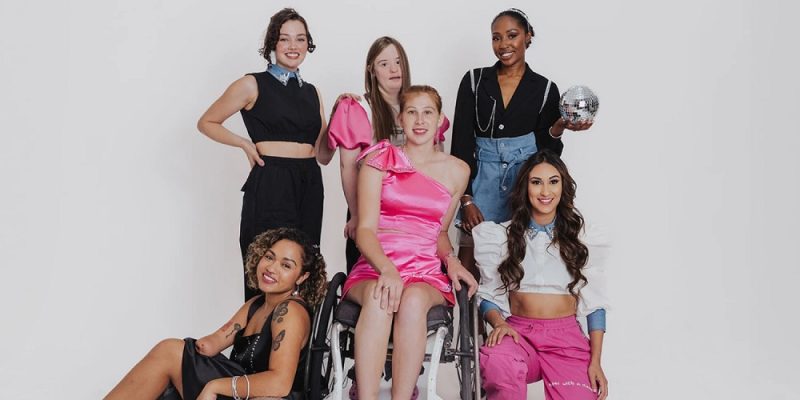
For the adaptive apparel industry to truly succeed, representation must exist at every level of the process. This means involving people with disabilities in the design phase, the marketing campaigns, and the corporate leadership. Authentic design is born from lived experience. When a designer who uses a wheelchair creates a pair of pants, they are solving problems they understand intimately.
Marketing also plays a pivotal role. Seeing models with diverse abilities in mainstream fashion spreads helps to normalize disability and challenges the beauty standards that have historically excluded this demographic. Inclusivity is not a trend; it is a necessary evolution of the human experience.
The Economic Case for Inclusivity
Beyond the social and ethical imperatives, there is a strong economic argument for adaptive apparel. The disability market represents a massive global demographic with significant purchasing power. As the global population ages, the demand for clothing that accommodates mobility aids and ease of dressing will only increase. Brands that fail to adapt to this reality risk alienating a loyal and growing customer base.
By investing in adaptive design, companies are not just performing an act of charity; they are tapping into a lucrative market segment that has been underserved for decades. Universal design principles, which aim to make products usable by as many people as possible regardless of ability, often result in better products for everyone. For example, a shirt with magnetic buttons is easier for a person with arthritis, but it is also convenient for a parent juggling a toddler or an athlete with a temporary injury.
Frequently Asked Questions
How does adaptive footwear differ from standard shoes?
Adaptive footwear often features wide-entry openings, rear-entry zippers, or wrap-around closures to accommodate orthotics, braces, or swollen feet. They typically utilize slip-resistant soles and may include removable insoles for custom depth adjustments.
Are there specific adaptive options for post-surgical recovery?
Yes, post-surgical adaptive wear includes garments with hidden snap openings along the sleeves or sides to allow for easy access to bandages, drains, and IV lines without requiring the patient to fully undress.
Can adaptive clothing be laundered like regular clothing?
Most adaptive clothing is designed for durability and can be machine-washed. However, garments with magnetic closures should be laundered with the magnets fastened to prevent them from sticking to the drum of the machine or other clothing items.
What is the difference between universal design and adaptive design?
Universal design refers to creating products that are accessible to everyone from the start, such as a shirt with a stretchy neck. Adaptive design specifically modifies or creates items with features intended for a specific physical challenge, such as a side-opening pant for someone who uses a catheter.
Is adaptive apparel only for people with permanent disabilities?
Not at all. Adaptive apparel is highly beneficial for individuals recovering from temporary injuries, such as a broken arm or hip surgery, as well as elderly individuals who may experience general weakness or a decline in fine motor skills.
How can I determine the correct size for seated-cut trousers?
Sizing for seated-cut pants often differs from standing measurements. It is important to measure the waist while seated and check the brands specific size chart, as these garments usually have more room in the seat and thighs to account for the seated position.
Are there adaptive clothing options for children?
The market for adaptive children’s wear is growing rapidly. These items often include features like reinforced knees for crawlers who use leg braces, hidden abdominal access for feeding tubes, and sensory-friendly fabrics for children with neurodivergent needs.