
 By Akeem Alex
The modern retail landscape is dominated by digital convenience and massive department stores that prioritize scale over soul. In an era where a product can be ordered with a single click and delivered within hours, the survival of small, independent boutiques might seem improbable. Yet, many of these small-scale retailers are not just surviving; they are thriving by cultivating a level of loyalty that large corporations cannot replicate. For many shoppers, their favorite boutique is more than just a place to buy goods; it is an essential part of their lifestyle and community.
The irreplaceability of a boutique is rarely about the products alone. While curation is a significant factor, the true value lies in the psychological and social connections formed within those four walls. When a business moves beyond being a transaction point and becomes a trusted advisor or a sanctuary, it earns a permanent place in the lives of its clientele.
The Power of Expert Curation
One of the primary reasons a boutique becomes irreplaceable is its ability to act as a filter. We live in an age of overconsumption and infinite choice, which often leads to decision fatigue. A well-run boutique solves this problem by offering a highly edited selection of products that align with a specific aesthetic or set of values.
Unlike big-box retailers that attempt to cater to everyone, a boutique leans into a specific niche. The owner or lead buyer acts as a personal scout, traveling to trade shows and scouring artisan workshops to find items that fit the unique tastes of their customers. When a shopper walks into such a space, they know the legwork has already been done. They trust that every item on the rack or shelf meets a certain standard of quality and style. This trust transforms the act of shopping from an overwhelming chore into a curated experience where the likelihood of finding something truly special is high.
Radical Personalization and the Human Connection
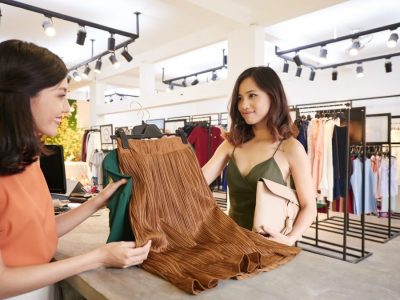
The most significant advantage a boutique has over a digital giant is the human element. In a world increasingly mediated by algorithms and AI chatbots, the desire for genuine human interaction has never been stronger. Irreplaceable boutiques capitalize on this by building deep, long-term relationships with their customers.
In these spaces, the staff often knows the customers by name. They remember previous purchases, family milestones, and personal style preferences. This level of personalization goes far beyond a personalized email subject line. It manifest as a salesperson proactively reaching out to a client because a new shipment arrived that perfectly matches their style, or offering honest feedback on a fit that prevents a customer from making a purchase they might later regret. This honesty builds a foundation of integrity. When a customer feels seen and understood as an individual rather than a data point, their loyalty shifts from the brand to the person, making the boutique a vital part of their social fabric.
Creating a Sensory Sanctuary
Retail therapy is a well-documented phenomenon, but it is most effective in environments that engage all the senses. Irreplaceable boutiques focus heavily on the physical atmosphere, creating a sensory experience that cannot be downloaded or streamed. The scent of a specific candle, the tactile quality of high-end fabrics, the lighting, and even the background music are meticulously planned to evoke a specific mood.
These shops often function as a “third place”—a space outside of home and work where people can relax and feel a sense of belonging. Many successful boutiques incorporate lounge areas, offer coffee or tea, or host small gatherings. By slowing down the pace of the transaction, the boutique encourages the customer to linger. This immersion makes the visit feel like an escape from the frantic energy of daily life. When a location becomes associated with a feeling of peace or inspiration, it becomes much more than a retail outlet; it becomes a destination for emotional recalibration.
Shared Values and Ethical Alignment
Today’s consumer, particularly in younger demographics, is increasingly concerned with the ethical implications of their purchases. They want to know who made their clothes, how the materials were sourced, and what the business stands for. Independent boutiques are uniquely positioned to provide this transparency.
Boutiques that feel irreplaceable often share a moral or ethical alignment with their customers. Whether it is a commitment to sustainable manufacturing, supporting local artists, or advocating for social justice, these businesses use their platform to reflect the values of their community. When a customer shops at a boutique that supports a cause they care about, the act of buying becomes an act of advocacy. This shared mission creates a bond that is much stronger than a mere financial exchange. The customer feels that by supporting the boutique, they are contributing to a better world, which provides a level of satisfaction that no discount code can provide.
The Boutique as a Community Hub
Beyond the individual relationship between the shopkeeper and the shopper, irreplaceable boutiques often serve as the heartbeat of a local neighborhood. They provide a space for like-minded individuals to cross paths. By hosting trunk shows, workshops, or charity events, boutiques facilitate social connections among their clientele.
This community aspect is particularly vital in urban environments where people may feel isolated despite the density of the population. A boutique that fosters a sense of community becomes a landmark. It is the place where neighbors meet, where local news is shared, and where the culture of the street is defined. When a business contributes to the vitality of the neighborhood, the community feels a collective responsibility to ensure its success. This mutual support system is the ultimate defense against the encroachment of global chains.
Resilience Through Innovation and Agility
While boutiques are rooted in tradition and personal touch, the most successful ones are also incredibly agile. Being small allows them to pivot quickly in response to changing trends or economic shifts. If a particular style is no longer resonating, a boutique owner can change their inventory in weeks, whereas a major retailer might be locked into orders for months.
Many irreplaceable boutiques have also embraced “phygital” retail—blending their physical presence with a thoughtful digital strategy. They use social media not just for advertising, but as a digital extension of their boutique’s personality. Through behind-the-scenes content, live styling sessions, and direct communication, they maintain the connection with their customers even when they are not in the store. This adaptability ensures that they remain relevant in a fast-changing market without losing the core identity that made them special in the first place.
Frequently Asked Questions
How do boutiques manage to keep their prices competitive with larger retailers?
Boutiques often do not compete on price alone. Instead, they focus on value through quality, exclusivity, and service. However, they manage costs by maintaining lower inventory overhead and focusing on higher-margin, unique items that cannot be found at mass-market retailers, which justifies the price point for the consumer.
Why is the concept of a third place so important for retail longevity?
A third place provides a social environment that fosters belonging. When a boutique becomes a place where people feel comfortable spending time without the immediate pressure to buy, it builds a deep emotional habit. Customers return because they enjoy the environment, which naturally leads to more consistent sales over time.
Can a boutique maintain its irreplaceability if it expands to multiple locations?
It is challenging but possible. The key is maintaining local autonomy. Each location must reflect the specific community it serves rather than being a carbon copy of the original. If the expansion prioritizes corporate efficiency over the personal touch and local curation, the boutique risks losing its unique appeal.
What role does store layout play in customer retention?
Store layout dictates the flow and “discoverability” of products. An irreplaceable boutique usually avoids a supermarket-style grid. Instead, they use creative merchandising that encourages exploration. When a customer feels like they are discovering a hidden treasure rather than browsing a shelf, the dopamine hit is higher, increasing the likelihood of a return visit.
How do independent boutiques handle the rise of direct-to-consumer online brands?
Many boutiques actually partner with direct-to-consumer brands to act as their physical showroom. By offering a space where customers can touch and try on items that are usually only available online, the boutique provides a service that the online brand cannot, while the brand brings a modern, tech-savvy audience to the boutique.
Is the irreplaceable feeling of a boutique tied to the owner presence?
In many cases, yes. The owner often sets the tone and vision. However, a boutique can remain irreplaceable if the owner successfully trains a team to share their values and passion. The “irreplaceability” is ultimately about the culture of the store, which can be sustained by a dedicated team even when the founder is not on the floor.
Do boutiques rely more on new customers or repeat business?
While new customers are necessary for growth, the “irreplaceable” status is built entirely on repeat business. It is far more cost-effective to retain a loyal customer who visits ten times a year than to constantly acquire new ones. The boutique business model is almost always built on the lifetime value of a core group of dedicated fans.