 By Akeem Alex
The beauty industry is undergoing a structural transformation. For decades, the definition of prestige was rooted in exclusivity, rare botanicals, and opulent packaging. However, a new paradigm is emerging where sustainability is no longer a secondary consideration but a core pillar of luxury. Central to this shift is the rise of upcycled beauty ingredients—high-performance compounds derived from materials that would otherwise be discarded as waste.
Upcycling in the cosmetic sector involves repurposing byproducts from industries such as food, beverage, and agriculture to create nutrient-dense extracts. What began as a grassroots movement in indie beauty has now infiltrated the world of prestige formulas. Luxury brands are leveraging advanced biotechnology to prove that ingredients sourced from “waste” can outperform traditional synthetics, offering a narrative of conscious indulgence that resonates with the modern high-end consumer.
The Intersection of Biotechnology and Luxury
The transition of upcycled ingredients into the prestige tier is primarily driven by technological advancement. In the past, the term “byproduct” might have carried a stigma of being lower quality. Today, however, sophisticated extraction methods such as cold pressing, fermentation, and CO2 extraction allow formulators to isolate potent bioactive compounds with surgical precision.
Prestige brands are investing heavily in these technologies to ensure that their upcycled components meet the rigorous standards of efficacy expected at a luxury price point. For example, the seeds of certain fruits—once tossed aside during juice production—are now being processed to yield oils rich in fatty acids and antioxidants that surpass the potency of standard carrier oils. This scientific validation is what allows upcycled ingredients to move from the kitchen table to the luxury laboratory.
Key Upcycled Raw Materials in High-End Skincare
The variety of waste streams being tapped for prestige formulas is vast. These materials are chosen not just for their environmental credentials, but for their unique chemical profiles.
-
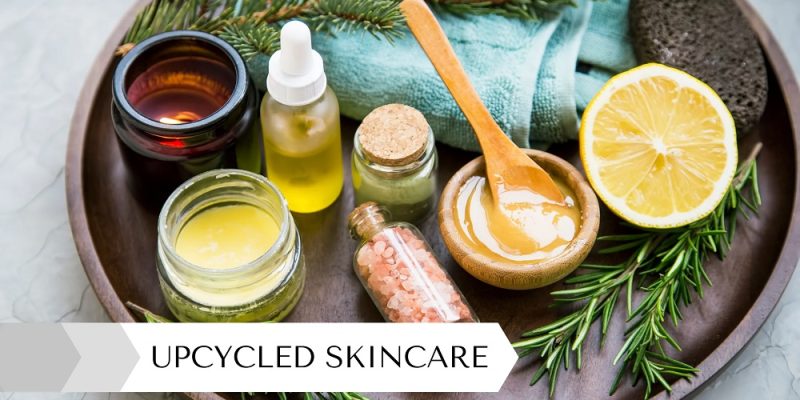
Fruit Seeds and Pits: Grapeseeds from the wine industry, raspberry seeds from jam production, and apricot pits are all being transformed into high-potency oils. These oils are often rich in Vitamin E and essential lipids that support skin barrier repair.
-
Coffee Grounds: Collected from industrial brewing, these grounds are processed to extract caffeine and antioxidants. In prestige eye creams and body treatments, upcycled caffeine is used to stimulate microcirculation and reduce puffiness.
-
Citrus Peels: The essential oils and bioflavonoids found in orange and lemon peels—byproducts of the citrus juice industry—are utilized for their brightening and antimicrobial properties.
-
Wood Pulp and Bark: Byproducts from the timber and paper industries are being used to create cellulose-based thickeners and exfoliating agents, replacing microplastics and less sustainable minerals.
Why Prestige Consumers Are Embracing Circularity
The luxury consumer of today is characterized by a desire for “quiet luxury” and “conscious consumption.” They are increasingly skeptical of “greenwashing” and demand transparency regarding the origin of their products. Upcycled ingredients provide a compelling story that aligns with these values.
When a consumer purchases a prestige cream containing upcycled oakwood extract from French cognac barrels, they are buying into a story of heritage, craftsmanship, and environmental stewardship. The narrative of circularity adds a layer of intellectual value to the product. It suggests that the brand is intelligent and innovative enough to find beauty in what others have overlooked. This emotional connection is a vital component of the prestige experience.
Formulating for Efficacy and Sensory Experience
One of the greatest challenges in prestige beauty is maintaining the “sensoriality” of a product. Luxury skincare must feel, smell, and look impeccable. Historically, some natural or repurposed ingredients were difficult to stabilize or had undesirable odors and textures.
Modern cosmetic chemistry has solved many of these issues. Through refinement and molecular distillation, chemists can now produce upcycled ingredients that are colorless, odorless, and highly stable. This allows them to be integrated into elegant, silky emulsions that provide the “slip and glow” expected of a hundred-dollar serum. Furthermore, many upcycled ingredients are naturally more concentrated than their traditional counterparts because they are derived from the most nutrient-dense parts of the plant, such as the skin or the seed.
The Environmental Impact of Upcycled Beauty
The environmental benefits of this movement are significant. By using existing waste streams, the beauty industry reduces its reliance on land-intensive monocultures and the carbon-heavy process of growing new crops specifically for cosmetic use.
Reducing the Carbon Footprint
The logistics of upcycling often involve localized sourcing. Many prestige brands are partnering with local farmers and food processors to minimize transportation emissions. This creates a closed-loop system where the waste from one local industry becomes the fuel for another.
Biodiversity and Water Conservation
By utilizing byproducts, the industry helps alleviate the pressure on global biodiversity. There is less need to convert natural habitats into agricultural land. Additionally, since the primary extraction has already occurred (e.g., juicing the fruit), the water footprint associated with the “first life” of the ingredient is shared across multiple industries, making the final cosmetic extract significantly more water-efficient.
Scaling Upcycled Beauty for the Global Market
While the prestige sector is leading the way in terms of innovation and narrative, the challenge remains in scaling these solutions for a global audience. The supply chain for upcycled ingredients is inherently fragmented. Unlike synthetic chemicals that can be produced in a controlled lab environment at a massive scale, upcycled ingredients depend on the harvest cycles and production volumes of other industries.
Prestige brands are uniquely positioned to navigate these complexities. Their smaller production runs and higher margins allow them to absorb the higher costs associated with securing and processing high-quality upcycled raw materials. As these processes become more standardized, we can expect to see these “prestige” ingredients eventually trickle down into the mass market, much like other skincare innovations have in the past.
The Future of Upcycled Prestige Formulas
Looking ahead, the next frontier for upcycled beauty lies in “carbon upcycling.” Some innovative biotech firms are now looking at ways to capture atmospheric carbon and turn it into fatty acids or alcohols used in cosmetic bases. While still in its infancy, this represents the ultimate goal of the circular beauty movement: transforming a pollutant into a luxury asset.
Furthermore, we are seeing a move toward “total plant utilization.” Rather than just using the byproduct of another industry, brands are starting to design their own circular systems where every part of a plant harvested—from the leaf to the root—is used in various stages of the manufacturing process. This holistic approach ensures zero waste and maximizes the nutritional output of the botanical source.
Frequently Asked Questions
Does upcycling an ingredient affect its shelf life in a luxury formula?
No. Advanced purification and stabilization techniques ensure that upcycled ingredients have the same, and sometimes better, stability as traditional ingredients. Preservative systems in prestige formulas are rigorously tested to ensure the product remains safe and effective throughout its intended use.
How do brands ensure upcycled ingredients are free from pesticides used in the food industry?
Prestige brands employ stringent quality control and third-party testing. Many specifically source byproducts from organic-certified food and beverage producers to ensure that the starting material is free from harmful chemical residues before extraction begins.
Are upcycled ingredients considered vegan and cruelty-free?
While most upcycled ingredients currently entering prestige formulas are plant-based (botanical byproducts), upcycling as a concept is not inherently vegan. However, the vast majority of luxury brands using this technology focus on botanical sources to align with the high demand for vegan-friendly luxury skincare.
Can upcycled ingredients cause skin sensitivities?
The risk of sensitivity is no higher than with traditional botanical extracts. In fact, because upcycled ingredients are often highly refined to isolate specific active molecules, the potential for irritation from “plant impurities” can sometimes be lower than in raw, unrefined natural oils.
Why is an upcycled product often more expensive than a traditional one?
The cost reflects the research, development, and sophisticated extraction technology required to turn waste into a high-performance cosmetic grade material. Additionally, securing a consistent, high-quality supply chain for specialized byproducts is more labor-intensive than buying bulk synthetic ingredients.
How can I identify upcycled ingredients on a product label?
Currently, there is no legal requirement to label an ingredient as “upcycled” in the INCI (International Nomenclature of Cosmetic Ingredients) list. Consumers should look for marketing claims such as “circular beauty” or check the brand’s sustainability report for details on their sourcing practices.
Does the scent of upcycled ingredients, like coffee or fruit waste, interfere with the fragrance of the product?
In prestige formulas, upcycled ingredients are typically deodorized during the refinement process. This allows the brand to maintain complete control over the final scent profile of the product, ensuring it meets the olfactory standards of a luxury experience.