
 By Akeem Alex
For much of the twentieth century, cultural experiences were largely defined by a shared center. Whether it was a televised event viewed by millions simultaneously, a chart-topping album that dominated the airwaves for months, or a fashion movement that defined a decade, there was a sense of a “mainstream.” This collective focus provided a common vocabulary for society, allowing individuals from diverse backgrounds to connect through shared references. However, the dawn of the digital age and the subsequent explosion of social media have dismantled this centralized structure. Today, we live in a trend-saturated world where culture is no longer a cohesive stream but a vast, fragmented ocean of micro-niches and fleeting moments.
The fragmentation of culture refers to the breaking down of large-scale, unified cultural movements into smaller, often isolated subcultures. While this shift has democratized creativity and allowed for unprecedented representation, it has also created a landscape where nothing seems to last. In this environment, the shelf life of a trend has shrunk from years to days, leaving individuals in a constant state of “catch-up” while simultaneously feeling more disconnected from a broader social narrative.
The Death of the Mono-Culture
The term mono-culture describes a period when a high percentage of the population consumed the same media and participated in the same cultural conversations. This was facilitated by the limited number of distribution channels—a few major television networks, a handful of influential magazines, and a centralized music industry. When everyone watched the same sitcom on a Thursday night, it created a social glue that bonded the workplace and the neighborhood the following morning.
In the current era, algorithmic curation has effectively killed the mono-culture. Platforms like TikTok, YouTube, and Spotify use complex mathematical formulas to feed users content tailored specifically to their existing preferences. While this is efficient for entertainment, it creates “echo chambers” of taste. Two people sitting on the same couch can inhabit entirely different cultural universes, unaware of the celebrities, slang, or music that the other finds essential. This hyper-personalization ensures that while we are more “connected” to our specific interests, we are less connected to each other through a shared cultural identity.
The Velocity of the Trend Cycle
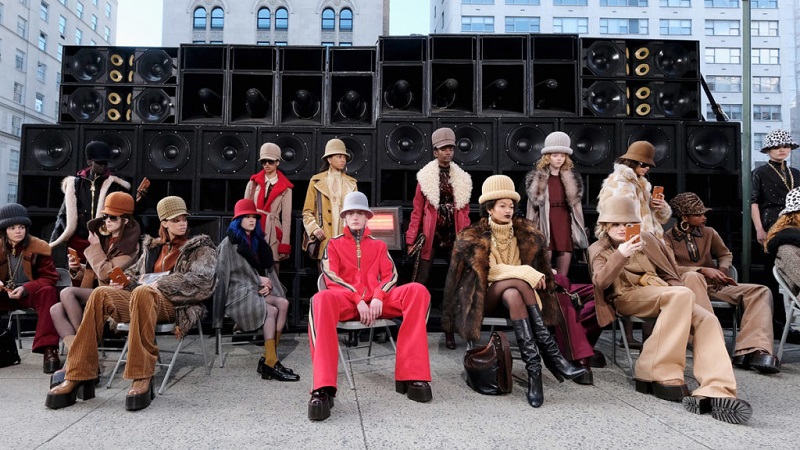
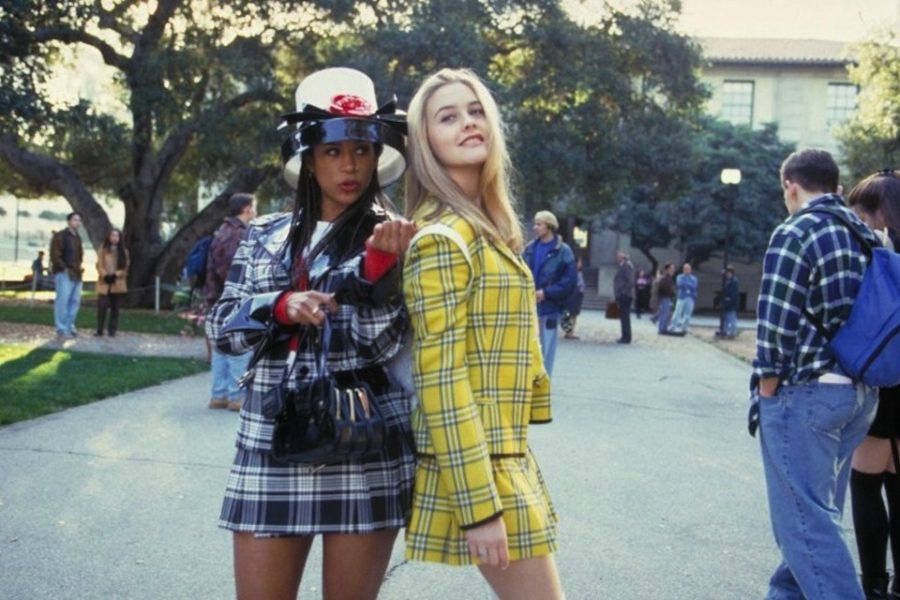
One of the most disorienting aspects of a trend-saturated world is the sheer speed at which aesthetics and ideas rise and fall. Historically, fashion trends followed a predictable twenty-year cycle. This allowed for a movement to be born in subcultures, move to the mainstream, and eventually fade into nostalgia. Today, we see the rise of “micro-trends” or “cores”—such as Cottagecore, Gorpcore, or Barbiecore—that can dominate the internet for three weeks before being rendered obsolete by the next viral aesthetic.
This acceleration is driven by the feedback loop of social media and ultra-fast fashion. When a trend is identified, algorithms amplify it instantly. Manufacturing giants then produce cheap, disposable versions of the aesthetic within days. By the time the physical product reaches the consumer, the digital conversation has often already moved on. This creates a culture of “planned obsolescence” for identity itself. Individuals are encouraged to constantly reinvent their personal brand to remain relevant, leading to a sense of exhaustion and a lack of depth in cultural participation.
The Rise of Digital Tribalism
As the center collapses, people naturally seek belonging in smaller, more specific groups. This has led to the rise of digital tribalism. These subcultures are often built around highly specific interests, from niche gaming genres and obscure music scenes to specific philosophical or aesthetic lifestyles.
Advantages of Fragmentation:
-
Increased Representation: Individuals who were previously marginalized by the mainstream can now find communities that validate their experiences and aesthetics.
-
Creative Autonomy: Creators no longer need the approval of “gatekeepers” like record labels or film studios to reach an audience.
-
Depth of Knowledge: Niche communities often foster a high level of expertise and passion for their specific interests.
Disadvantages of Fragmentation:
-
Loss of Shared Truth: When culture fragments, so does the perception of reality. Disconnected communities may develop their own sets of facts and values, making cross-cultural dialogue nearly impossible.
-
The Loneliness of the Niche: While these tribes provide belonging, they can also be isolating. The lack of a shared mainstream means there are fewer “entry points” for outsiders to join the conversation.
The Aestheticization of Everything
In a world where we are constantly being viewed through a digital lens, every aspect of life has been turned into an aesthetic “content” opportunity. This is known as the aestheticization of culture. It is no longer enough to go for a hike; one must participate in the “hiking aesthetic.” It is no longer enough to read a book; one must curate a “bookshelf aesthetic.”
This focus on the visual representation of a life over the actual experience of it contributes to cultural thinning. When the image of the trend becomes more important than the substance of the trend, culture becomes a facade. We see this in the way “intellectual” trends circulate online—summaries of complex ideas are turned into shareable infographics that give the illusion of knowledge without the effort of study. The fragmentation of culture encourages this surface-level engagement because the next trend is always waiting to take its place.
The Economic Engine of Fragmentation
The fragmentation of culture is not an accidental byproduct of technology; it is an economic necessity for the modern platform economy. Traditional media made money by gathering as many people as possible around a single point. Digital platforms make money by keeping individuals engaged for as long as possible. Algorithmic fragmentation is the most effective way to achieve this. By showing you exactly what you want to see, platforms minimize the “friction” of encountering something challenging or unfamiliar.
Furthermore, the constant churn of micro-trends is a boon for consumerism. If the “look” of the month changes constantly, the consumer is under perpetual pressure to buy new items. This “trend-bait” economy thrives on the insecurity of the individual, promising that identity and belonging can be purchased through the latest viral product. This turns culture into a series of transactions rather than a series of experiences.
Seeking Meaning in the Fragments
As we move further into this fragmented landscape, the challenge for the individual is to find genuine meaning amidst the noise. Many are beginning to push back against the “algorithm-fed” life by seeking out “slow culture.” This involves engaging with art, literature, and music that requires time and attention, rather than the quick hits provided by short-form video.
There is also a growing movement toward “analog” experiences—physical books, vinyl records, and in-person community events. These provide a tactile, un-fragmented experience that the digital world cannot replicate. While the mono-culture of the past is unlikely to return, there is hope in the idea of “bridging” niches. By making a conscious effort to step outside our algorithmic bubbles, we can rediscover the shared human elements that exist beneath the fragmented surface.
Frequently Asked Questions
Is cultural fragmentation a permanent state, or will a new mono-culture emerge?
While it is unlikely we will return to the era of three TV channels, we may see “temporary mono-cultures.” Large-scale events like the Olympics or major global crises can still create brief moments of unified attention. However, the structural reality of the internet suggests that fragmentation will remain the dominant mode of cultural consumption for the foreseeable future.
How does fragmentation affect the mental health of younger generations?
The pressure to constantly keep up with rapidly changing trends can lead to anxiety and “fear of missing out” (FOMO). Additionally, the lack of a stable cultural center can make identity formation more difficult, as young people are presented with an overwhelming array of conflicting “labels” and aesthetics to choose from.
Does fragmentation make it harder for artists to earn a living?
It is a double-edged sword. On one hand, it is easier than ever to find a small, dedicated audience that can support an artist through platforms like Patreon. On the other hand, the absence of a mainstream means it is much harder to achieve “superstar” levels of success that provide massive financial security. Most artists now exist in a “middle-class” of creativity.
Can fragmentation lead to political polarization?
Yes. When cultural consumption is fragmented, social and political discourse often follows suit. If people do not share the same cultural touchstones, they are less likely to share the same values or even the same understanding of basic facts, which can exacerbate social divisions.
What is the “Curation Economy” in the context of fragmentation?
As the volume of content becomes overwhelming, the “curator” becomes more important than the “creator.” People are increasingly looking to trusted individuals or specific brands to filter the noise and tell them what is worth their time. This makes curation a highly valuable skill in a fragmented world.
How can I break out of my cultural “echo chamber”?
Actively seeking out media and viewpoints that fall outside of your usual preferences is key. This could mean reading a physical newspaper, visiting a local art gallery without checking social media first, or asking friends from different backgrounds what they are currently listening to or reading.
Is there a benefit to the “death” of the mainstream?
The primary benefit is the end of cultural hegemony. The old mainstream was often exclusionary, prioritizing a specific Western, middle-class perspective. Fragmentation allows for a much more diverse and inclusive set of voices to exist and flourish, even if they do not reach a billion people.