 By Akeem Alex
The world of men’s fashion is a tapestry woven with threads of tradition, innovation, and an unwavering commitment to quality. Among its most revered and influential styles is Neapolitan menswear. Originating from the sun-drenched, vibrant city of Naples, Italy, this distinctive aesthetic has captivated discerning gentlemen for centuries, offering a unique blend of relaxed elegance and impeccable craftsmanship. Far from being a mere trend, Neapolitan tailoring represents a philosophy, a way of life that prioritizes comfort, fluidity, and an understated sophistication.
The Birth of a Sartorial Revolution: Early Influences and the Rise of Neapolitan Tailoring
Neapolitan menswear didn’t just appear overnight; it evolved from a confluence of cultural, climatic, and social factors unique to Southern Italy. Unlike the more rigid, structured styles prevalent in Northern Europe, Naples demanded something different. The city’s warm climate and bustling, active lifestyle called for lighter fabrics and a more forgiving silhouette.
In the late 19th and early 20th centuries, Neapolitan tailors began to distinguish themselves. They eschewed the heavy padding and stiff canvases favored by their English and German counterparts, opting instead for a more natural shoulder – often unpadded or with minimal padding – and a softer construction. This revolutionary approach allowed suits to drape naturally over the wearer’s body, providing unparalleled comfort without sacrificing elegance. Key innovations included the “spalla camicia” (shirt shoulder), where the sleeve is set like a shirt sleeve, creating a subtle ripple, and the “barchetta” (little boat) breast pocket, curved like a boat’s hull. These details, seemingly minor, contributed significantly to the signature Neapolitan look: a garment that felt like a second skin.
Key Characteristics and Enduring Elements of Neapolitan Style
What exactly makes a Neapolitan suit, jacket, or even a pair of trousers so instantly recognizable and coveted? It’s a combination of subtle yet impactful details:
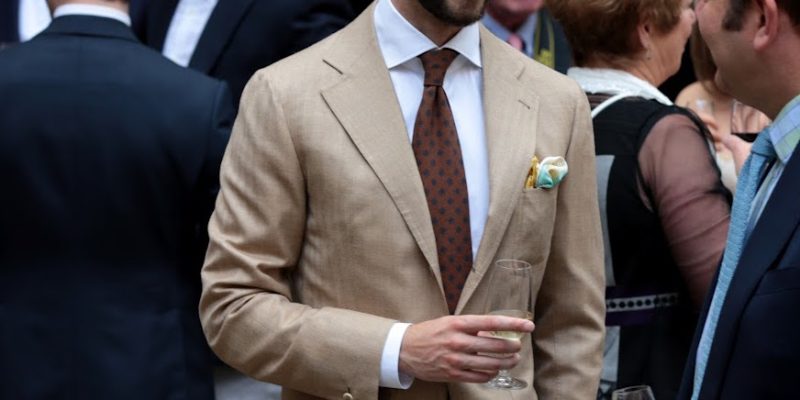
- The Soft Shoulder (Spalla Camicia): As mentioned, this is perhaps the most iconic feature. The absence of heavy padding allows the shoulder to follow the natural line of the wearer, offering incredible comfort and a relaxed, yet refined, appearance.
- High Armhole: A higher armhole provides a greater range of motion and a cleaner line, preventing the jacket from pulling across the chest when the arms are raised.
- Neapolitan Lapel (Rollino): A distinctive, slightly wider lapel with a pronounced roll that often extends a bit higher on the gorge.
- “Pignata” (Pot) Sleeves: A subtle fullness at the sleeve head, another nod to the shirt-like construction.
- Three-Roll-Two Button Stance: A classic Neapolitan detail where the top button is designed to roll under the lapel, giving the appearance of a two-button jacket with a deep, elegant lapel roll.
- Lighter Fabrics: Neapolitan tailors traditionally favored lightweight wools, linens, and cottons, suitable for the Mediterranean climate. Even today, the emphasis remains on breathable, luxurious materials.
These elements combine to create garments that are not just clothes, but extensions of the wearer’s personality – effortless, sophisticated, and imbued with an innate sense of sprezzatura, that art of looking effortlessly stylish.
The Maestros and Their Legacy: Icons of Neapolitan Tailoring
The history of Neapolitan menswear is also the story of legendary tailors and houses who perfected and propagated this unique style. Names like Rubinacci, Attolini, and Kiton are synonymous with the pinnacle of Neapolitan craftsmanship. These master artisans passed down their knowledge through generations, ensuring that the intricate techniques and unwavering commitment to quality continued.
Rubinacci, founded in 1932 by Gennaro Rubinacci, pioneered the “soft style” and became a favorite among the Neapolitan aristocracy. Cesare Attolini, who worked for Rubinacci before starting his own atelier, further refined the construction, making it even lighter and more comfortable. Today, brands like Kiton continue this legacy, applying the same exacting standards to everything from their bespoke suits to their ready-to-wear collections, including their exceptionally crafted kiton jeans, which embody the same commitment to luxurious fabrics and impeccable fit found in their tailored garments. The dedication to hand-finishing, often involving hundreds of hours of work on a single suit, is a testament to the enduring value placed on artistry over mass production.
Neapolitan Style Today: From Bespoke to Ready-to-Wear
In the modern era, Neapolitan menswear has transcended its origins to become a global phenomenon. While bespoke tailoring remains the ultimate expression of this style, its influence is widely seen in high-end ready-to-wear collections. Many contemporary brands draw inspiration from the Neapolitan aesthetic, offering softer shoulders, lighter canvases, and more natural silhouettes.
The versatility of Neapolitan style is also a key factor in its enduring appeal. A soft-shouldered Neapolitan jacket can be dressed up with a crisp shirt and tie, or dressed down with an open-collared polo and a pair of well-fitting trousers. Even casual wear, like premium denim, has been elevated by this philosophy. Imagine the comfort and sophisticated drape of a pair of kiton jeans, designed with the same meticulous attention to detail as a bespoke suit, offering a relaxed yet refined look perfect for any occasion. This blend of formality and ease makes Neapolitan menswear incredibly relevant for the contemporary gentleman who values both style and comfort.
As the fashion landscape continues to evolve, the core principles of Neapolitan tailoring – comfort, quality, and an innate elegance – remain timeless. They remind us that true style isn’t about rigid rules, but about understanding how clothes can enhance and express individuality with effortless grace. When you choose a garment rooted in this heritage, from a finely tailored jacket to a pair of premium kiton jeans, you’re not just buying clothing; you’re investing in a legacy of unparalleled craftsmanship and a philosophy of sartorial excellence.
Conclusion
The history and heritage of Neapolitan menswear are a testament to the power of tradition, innovation, and an unwavering pursuit of sartorial perfection. From its origins in the bustling streets of Naples to its global influence today, this distinctive style continues to define what it means to be well-dressed. It’s a style that speaks of confidence, comfort, and an understated elegance that never goes out of fashion. Embracing Neapolitan principles means choosing clothes that feel as good as they look, reflecting a discerning taste and an appreciation for the finest things in life.
Author Bio: – The author is a seasoned fashion historian and menswear enthusiast with over a decade of experience analyzing and writing about classic tailoring and contemporary style. With a deep appreciation for artisanal craftsmanship and the nuances of sartorial traditions, they strive to illuminate the stories behind the clothes we wear, offering insights into their cultural significance and enduring appeal.