 By Akeem Alex
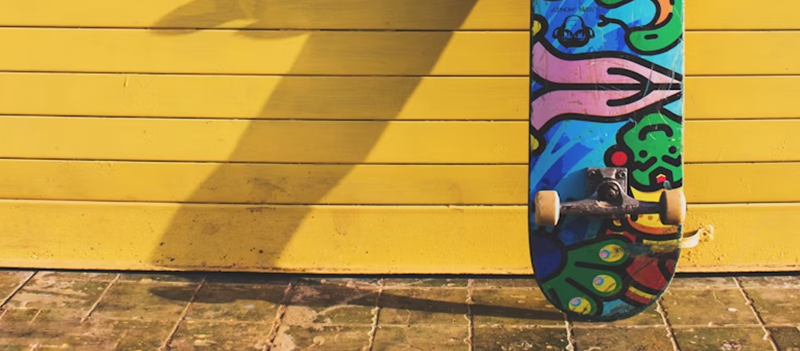
When you’re just starting out in skateboarding, the last thing you want is to feel held back by your gear. A decent board matters, of course, but so do the shoes on your feet. Skate shoes aren’t just a fashion choice – they’re a tool that helps you grip the board, absorb impact, and feel more stable while you learn the basics. Choosing the right pair can make the difference between feeling awkward and making real progress.
Why skate-specific shoes matter
Unlike regular trainers, skate shoes are designed with durability and board feel in mind. Beginners often underestimate how much wear a shoe takes when learning tricks. Constant contact with grip tape, ollie attempts, and stopping with your foot can shred through the wrong pair in weeks. A good skate shoe gives you:
- Grip: a flat, sticky sole that locks onto the board.
- Board feel: just enough sensitivity so you can tell what your deck is doing beneath you.
- Durability: reinforced areas around the toe and sides where the board rubs most.
- Impact protection: padding where you need it, especially for those heavy landings.
For anyone stepping onto a skateboard for the first time, these qualities make the whole experience smoother and safer.
The obvious starting point
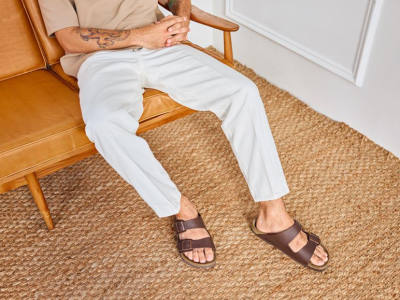
If you ask ten skaters what their first pair of shoes were, chances are most will mention Vans. The brand has been tied to skateboarding since the 1970s, when its simple waffle sole and sturdy canvas uppers proved perfect for skating. Even now, they’re often the first recommendation for beginners — not just because they’re iconic, but because they do the job well.
The Vans Old Skool and Vans Skate Authentic are classic choices. They’re flat, comfortable, and easy to wear straight out of the box. For someone learning how to balance, push off, and maybe try their first ollie, that combination of grip and comfort makes a huge difference. Plus, they don’t feel overbuilt, so you won’t be clomping around in stiff shoes before you’ve even dropped into a ramp.
Durability for learners
It’s worth being honest: no matter what shoes you buy, the first few months of skating will chew through them. Beginners drag their feet, misjudge flicks, and generally put shoes through more punishment than advanced skaters who know how to control their movements. This is another reason Vans shoes are so popular — they’re relatively affordable compared to some specialist skate footwear, and you can expect them to last a decent amount of time before they’re worn thin.
Models like the Vans Skate Half Cab offer extra reinforcement around the sides, making them a good option if you’re serious about learning flip tricks. Meanwhile, the Slip-On styles, although less durable, are perfect for cruising and learning the basics without worrying about laces snapping.
Comfort counts too
Skating can be tiring, especially when your muscles aren’t used to the movements yet. Shoes with a little padding around the collar and tongue make the whole experience more forgiving. Vans have improved their cushioning over the years with their PopCush insoles, which are found in their skate-specific line. Beginners who expect to spend hours at a local park will appreciate the extra comfort when bailing repeatedly — which is guaranteed in the early days.
Alternatives worth considering
While Vans dominate the conversation, they’re not the only brand worth looking at. Nike SB, DC, and Emerica also make great shoes, each with slightly different fits and features. Some skaters prefer more technical shoes with cupsole construction for added impact protection, while others lean towards vulcanised soles for better board feel. If you’re unsure, it often comes down to trying a pair on and seeing what feels most natural underfoot.
That said, for a beginner, starting with something like Vans shoes is rarely a mistake. They’re simple, widely available, and designed with skating in mind. Once you’ve been skating for a while, you’ll have a clearer idea of whether you prefer more cushioning, a chunkier build, or something lightweight and flexible.
Practical buying tips for first-time skaters
- Stick to skate models: Not every pair of Vans is made for skating. Look for the “Skate” label, which means added durability and cushioning compared to lifestyle versions.
- Consider two pairs: If budget allows, keep one pair for skating and one for casual wear. That way, your shoes last longer, and you’re not tempted to wear your battered skate pair out socially.
- Break them in gradually: New shoes can feel stiff. Spend a day or two just wearing them around before skating hard — your feet will thank you.
- Check sizing carefully: Skate shoes should fit snugly without pinching. Too much room inside and your foot will slide around, which makes learning harder.
Building confidence on the board
At the end of the day, the best shoe for a new skater is one that feels secure and encourages confidence. The right pair doesn’t magically make tricks easier, but it does give you the stability and control to focus on your technique. Vans shoes remain such a popular starting point because they strike a balance between functionality, comfort, and style.
Once you’ve worn through your first pair, you’ll know what you liked — and what you didn’t. Maybe you’ll want something sturdier, or perhaps you’ll stick with the same model because it felt right. That’s part of the journey. Skateboarding is full of trial and error, and finding the shoes that suit you is simply the first step.