 By Akeem Alex
Every few years, a fabric quietly emerges and reshapes how we think about everyday objects. Linen had its moment during the pandemic as homes became sanctuaries and softness became currency. Boucle took over interiors soon after, bringing texture back to a world that had grown tired of flat surfaces. In 2026, there’s a new contender gaining ground across accessories, home goods, and lifestyle products. Quilted crinkle cotton. It arrived without fanfare, built a loyal following through touch alone, and is now emerging as one of the most discussed materials in modern design circles.
What makes quilted crinkle cotton remarkable isn’t a dramatic innovation. It’s a quiet mastery of three qualities that rarely coexist in a single fabric. Softness that invites touch. Structure that holds its shape. Texture that photographs beautifully while feeling even better in person. For decades, designers had to choose between these qualities. Soft fabrics collapsed. Structured ones felt rigid. Textured ones often sacrificed comfort for visual interest. Quilted crinkle cotton refuses this compromise, which is exactly why it’s capturing attention across every category where it appears.
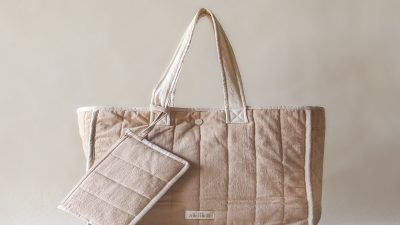
The fabric itself tells an interesting story. The crinkle treatment creates gentle ridges that catch light beautifully and feel genuinely alive under your fingertips. The quilting adds soft weight and shape memory that pure cotton often lacks. Together, these elements create something almost impossibly balanced. Soft but structured. Natural but intentional. Casual but considered.
Touch is where quilted crinkle cotton truly separates itself. In an era dominated by synthetic materials optimized for mass production, finding a fabric that genuinely rewards touch has become unexpectedly rare. The subtle ridges give fingers something to notice. The gentle padding provides a satisfying resistance. The natural fiber warmth responds to body heat in ways plastic-based materials never can. People find themselves touching objects made from this fabric unconsciously, running fingers across the surface without quite knowing why.
The aging process reveals another dimension of the fabric’s appeal. Cheap synthetic materials deteriorate predictably, growing less attractive with every month of use. Quilted crinkle cotton moves in the opposite direction. The crinkle texture softens into something even more inviting after a few washes. The quilting molds subtly to patterns of use. The cotton itself achieves that hard-won softness only years of use can produce. What began as beautiful becomes more beautiful, which is a rare quality in any material.
Visual appeal matters enormously in a design-conscious era, and quilted crinkle cotton excels here too. The subtle texture catches light in gentle, varied ways across any surface, creating visual depth that flat fabrics cannot achieve. On camera, it photographs with the kind of tactile presence that makes online shoppers want to touch their screens. This photogenic quality has helped the fabric spread rapidly across Instagram and Pinterest, where visual appeal often drives discovery.
The sustainability conversation also plays a significant role in why quilted crinkle cotton is gaining ground. As consumers increasingly scrutinize the environmental impact of their purchases, natural fabrics made from renewable materials become more appealing than synthetic alternatives. Cotton remains one of the most sustainable mainstream fabrics when sourced responsibly, which aligns beautifully with values that increasingly define modern consumption.
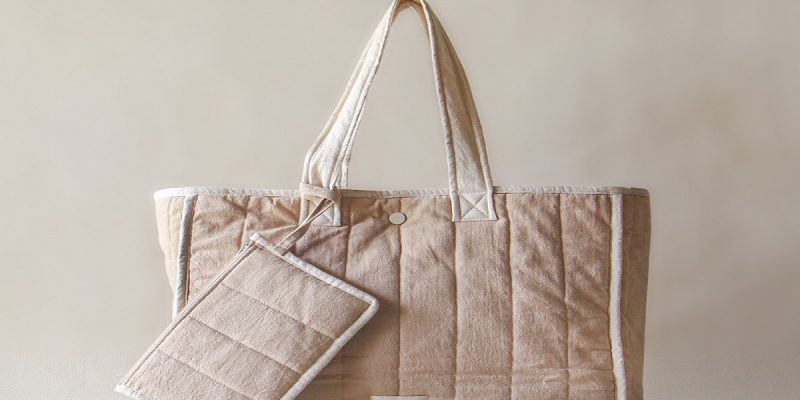
The versatility of quilted crinkle cotton explains its rapid adoption across diverse product categories. In bags and totes, it creates everyday carryalls that feel soft but hold their shape. In pouches, it transforms simple storage into tactile pleasure. In travel accessories, it offers protection with gentleness, keeping belongings secure without feeling industrial. Few fabrics perform this well across so many categories, which is why forward-thinking brands are increasingly building entire product lines around it.
There’s something fundamentally comforting about the material itself. It evokes memories of childhood blankets, favorite worn-in clothes, and textures associated with safety and ease. In a world that often feels harsh and overstimulating, surrounding yourself with soft natural textures becomes a small act of nervous system regulation. People drawn to quilted crinkle cotton often describe feeling calmer when using products made from it, even when they can’t quite articulate why.
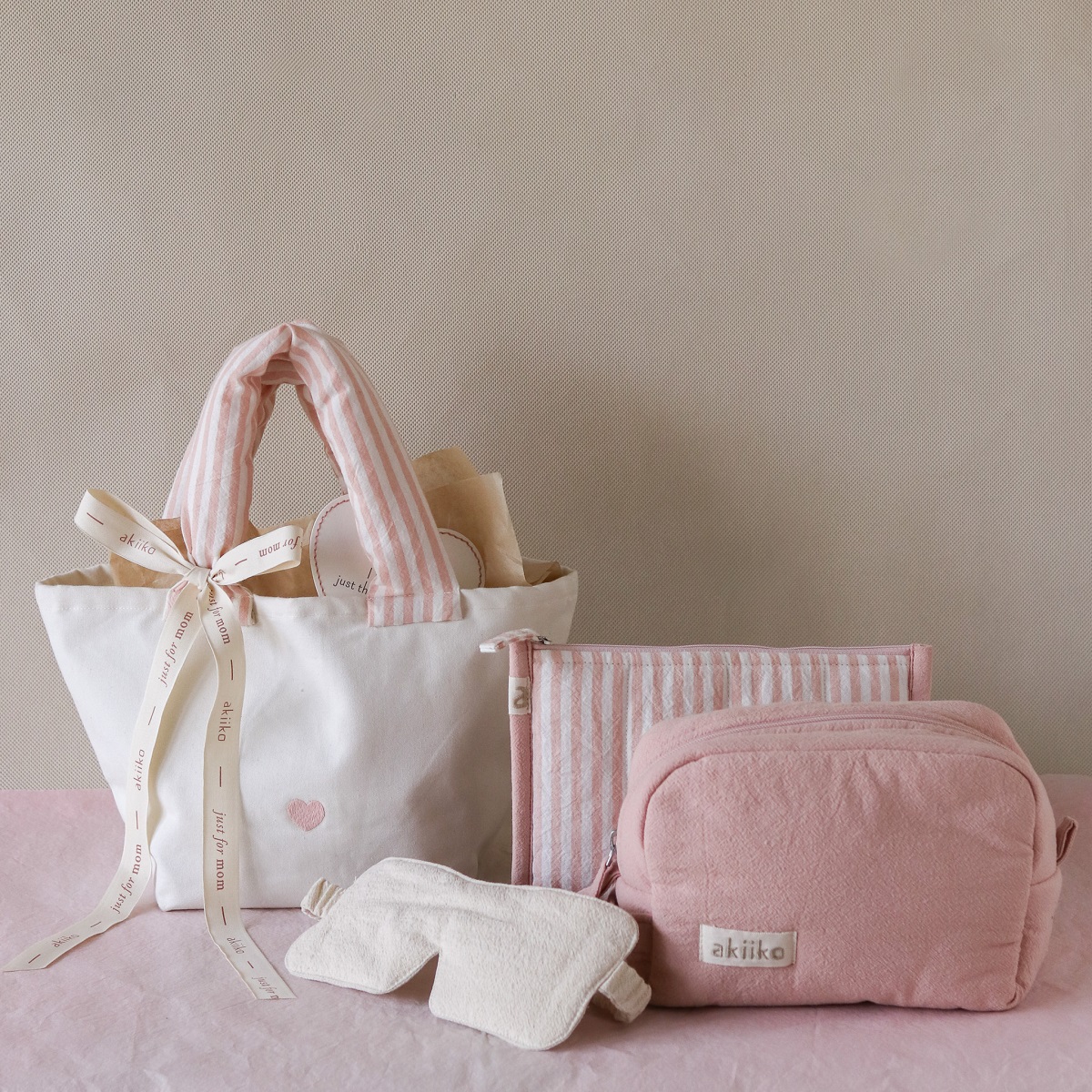
Among the brands pioneering quilted crinkle cotton as a signature material, Akiiko has emerged as a notable example of what the fabric can achieve when treated with genuine design intention. Their collection of bags, pouches, and lifestyle accessories showcases the material’s full potential across diverse product categories. The brand’s commitment to the fabric reflects an actual understanding of why this material matters in contemporary life, with pieces designed to grow more beautiful with use rather than deteriorate.
The experience of discovering quilted crinkle cotton follows a predictable pattern. The first encounter happens through sight, usually on a product page where the texture reads as subtly interesting. The second encounter happens through touch, when the actual product arrives and the fingers register something unexpected. By the third or fourth use, something has fundamentally shifted. The person has become a quiet evangelist for the material, often recommending it to friends without quite being able to explain why.
Looking ahead through 2026 and beyond, the trajectory of quilted crinkle cotton suggests continued expansion rather than peaking as a trend. The underlying forces driving its adoption are structural rather than fashion-based. Growing demand for natural materials. Increasing emphasis on tactile experience in an overly digital world. Rising preference for products that age beautifully rather than needing frequent replacement. These forces aren’t going anywhere, which suggests the fabric is building toward classic status rather than fleeting popularity.
For anyone curious to experience what the quilted crinkle cotton conversation is actually about, exploring thoughtfully designed products made from the material offers the most direct education. The collections at akiiko.com provide an excellent introduction to the fabric across everyday tote bags, intimate vanity pouches, and travel accessories built for real journeys.
The fabric that everyone will be talking about in 2026 isn’t shouting for attention. It’s quietly building a devoted following one touch at a time, one happy owner at a time. Quilted crinkle cotton represents the kind of material innovation driven by genuine quality and real sensory pleasure rather than marketing budgets. Once you’ve felt it, you’ll understand exactly why.